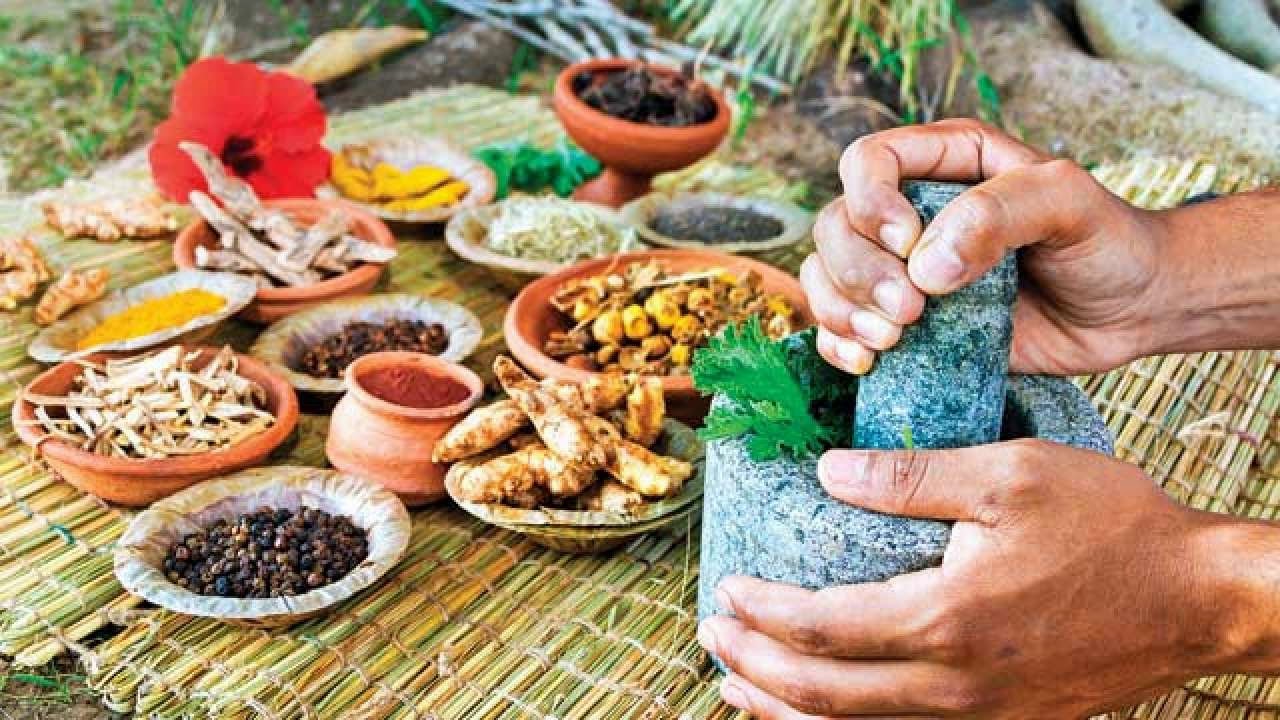

In today’s fast-paced world, the body and mind are constantly exposed to stress, irregular routines, poor diet, environmental toxins, and emotional strain. Over time, these influences can disturb digestion, weaken vitality, and create deeper patterns of imbalance.
In Ayurveda, one of the most profound ways to restore balance is through pañcakarma.
Often translated as “five actions,” pañcakarma is a classical Ayurvedic purification and rejuvenation process designed to remove accumulated toxins, restore digestive strength, balance the doṣas, and support healing at the root level.
Unlike modern detox trends, pañcakarma is not a quick cleanse. It is a deeply individualized, practitioner-supervised therapeutic process for the body, mind, and consciousness.
Pañcakarma Meaning and Definition in Ayurveda
The word pañcakarma comes from two Sanskrit words:
- pañca = five
- karma = actions or therapeutic procedures
In Ayurveda, these five actions refer to specialized cleansing therapies used to remove aggravated doṣas vāta, pitta, and kapha from the body.
When digestion is weak and toxins, known as āma, accumulate, the body can become vulnerable to fatigue, inflammation, digestive disturbance, skin conditions, stress, and chronic imbalance. Pañcakarma works by helping the body release these deeper accumulations through carefully chosen therapies.
Its purpose is not only detoxification, but restoration of order.
Understanding Pañcakarma Treatment in Ayurveda
True pañcakarma is always personalized. No two protocols are exactly alike.
A qualified Ayurvedic practitioner considers:
- Constitution (prakṛti)
- Current imbalance (vikṛti)
- Digestive strength (agni)
- Tissue strength and vitality
- Age, season, lifestyle, and health history
This is why pañcakarma should never be approached casually or as a generic spa detox. It is a therapeutic system rooted in classical Ayurvedic assessment, observation, preparation, cleansing, and rebuilding.
The Three Stages of Pañcakarma
The effectiveness of pañcakarma depends on its structured process. Traditionally, it unfolds in three stages.
-
Preparation Phase (Pūrva Karma)
Before deeper cleansing begins, the body must be prepared.
This stage may include:
- snehana internal and external oleation with oils or medicated ghee
- abhyanga therapeutic oil massage
- svedana sweating or steam therapy
These therapies help loosen toxins from the deeper tissues and guide them toward the digestive tract for elimination.
In many classical settings, internal oleation with medicated ghee is carefully supervised. This is an important part of the process and must be monitored by a trained practitioner.
-
Main Cleansing Phase (Pradhāna Karma)
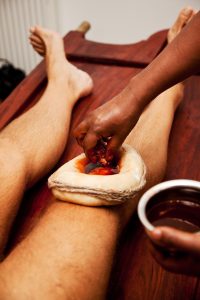
This is the central purification phase of pañcakarma. Depending on the individual’s needs, the practitioner may select one or more of the classical therapies.
The five main actions include:
- vamana therapeutic emesis, traditionally used for certain kapha imbalances
- virecana therapeutic purgation, often used for pitta imbalance
- basti medicated enema therapy, especially important for vāta disorders
- nasya nasal administration of medicine for the head, neck, sinus, and nervous system
- raktamokṣaṇa bloodletting therapy, used only in specific traditional contexts
In many classical traditions, the five procedures may be listed slightly differently, especially regarding the inclusion of raktamokṣaṇa and the two forms of basti. What remains consistent is the principle: aggravated doṣas are removed through the appropriate pathway.
-
Recovery and Rejuvenation Phase (Paścāt Karma)
After cleansing, the body is delicate and receptive.
This stage may include:
- saṁsarjana krama a gradual, phased diet to rebuild agni
- Gentle lifestyle guidance
- Restorative routines
- Rejuvenative herbs and therapies known as rasāyana
This final phase is essential. Without proper post-care, the benefits of cleansing may be weakened or lost.
Benefits of Pañcakarma Treatment for Mind and Body
When properly administered, pañcakarma may support:
- Improved digestion and metabolism
- Removal of accumulated toxins
- Greater energy and vitality
- Mental clarity and emotional steadiness
- Nervous system restoration
- Healthy elimination
- Clearer skin
- Stronger resilience and immunity
- Deeper rejuvenation after chronic stress
Its deeper purpose is to help the body return to balance so healing can unfold from within.
Healing Power of Pañcakarma for Modern Life
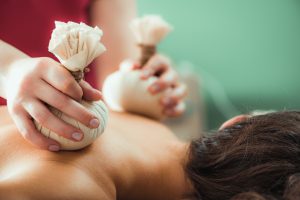
Many people seek pañcakarma when they feel depleted, inflamed, overstimulated, or unable to recover fully from stress.
It may be considered for those dealing with:
- Chronic stress or burnout
- Digestive imbalance
- Fatigue
- Joint discomfort
- Skin concerns
- Hormonal imbalance
- Sleep disturbance
- Long-standing patterns of imbalance
Because pañcakarma works at the level of digestion, elimination, tissues, and the nervous system, it can be especially powerful for those seeking a deeper reset.
When appropriately administered, pañcakarma may help slow the progression of certain conditions and reduce the likelihood of recurrence by addressing underlying imbalance.
Who Should Do Pañcakarma?
Pañcakarma may be appropriate for individuals who are ready for a guided therapeutic process and are strong enough to undergo cleansing.
It may be considered for those who want to:
- Reset digestion
- Release accumulated stress
- Improve vitality
- Support long-term balance
- Prepare for rejuvenation therapy
- Address chronic patterns through an Ayurvedic approach
However, it is not appropriate for everyone. A practitioner must assess strength, constitution, medical history, and current condition before recommending it.
When Is the Best Time to Do Pañcakarma?
Traditionally, pañcakarma is often done during seasonal transitions, when the doṣas naturally shift and become more mobile.
In classical Ayurveda, cleansing is part of seasonal care and disease prevention. The specific therapy depends on the season, the person, and the aggravated doṣa.
Many people benefit from annual or seasonal cleansing, but the frequency should be individualized.
Why Do Pañcakarma in India?
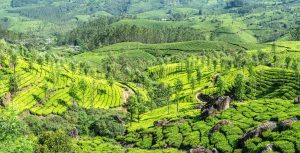
A common question is: why travel to India for pañcakarma?
While Ayurvedic care can be practiced in many places, India offers a depth of tradition that is difficult to recreate elsewhere.
In India and especially in Kerala pañcakarma is practiced within a living lineage. There is access to experienced vaidyas (Ayurvedic physicians), traditionally prepared oils and herbs, daily therapies, and an environment that supports surrender, simplicity, and healing.
Kerala also has a long-standing tradition of Ayurvedic body therapies, oil treatments, and clinical care. For many, receiving pañcakarma in India is not just about treatment it is about returning to the source of the medicine itself.
This is why Healing Heart Ayurveda offers retreat experiences in India, allowing participants to immerse themselves in authentic Ayurvedic care within its traditional setting.
Is Pañcakarma Safe?
Pañcakarma can be deeply beneficial when performed correctly, but it must be supervised by trained professionals.
It is not advisable to attempt full pañcakarma independently.
Possible reactions may include temporary fatigue, emotional release, digestive shifts, or mild discomfort as the body moves through cleansing. Proper preparation, supervision, and post-care are essential to ensure safety and effectiveness.
Experience Authentic Ayurvedic Healing
At Healing Heart Ayurveda, we approach pañcakarma with respect for its depth, tradition, and clinical precision.
Through personalized Ayurvedic consultations, seasonal cleansing programs, and India-based retreat opportunities, we help guide individuals toward the level of care that is most appropriate for their needs.
For some, a gentle seasonal cleanse may be the right place to begin. For others, a deeper pañcakarma experience may offer the reset they are seeking.
Conclusion
Pañcakarma is more than detoxification. It is a complete healing process designed to cleanse, restore, and rejuvenate the body, mind, and consciousness.
By removing accumulated toxins, strengthening agni, balancing the doṣas, and rebuilding vitality, pañcakarma offers a powerful path toward long-term wellness.
When practiced with proper guidance, it becomes not only a treatment, but a return to the body’s natural intelligence.
Disclaimer
Pañcakarma is a specialized Ayurvedic therapy that must be performed under the supervision of qualified practitioners. It is not intended to replace medical care. Please consult your physician before beginning any new health treatment, especially if you have existing medical conditions or are under supervised care. Individual results may vary, and all therapies should be tailored to the specific needs of the individual.